

An Overview of One of the World’s Most Celebrated Liquors: Whiskey
Whiskey boasts a rich global history that stretches back centuries. Its roots date to the 9th century, with the evolution of distillation methods and even the spelling of its name adding layers to its story. The word “whiskey” is used specifically in Ireland and the U.S., largely because American whiskey traces its origins to Irish distillers who brought their craft during the colonial era. In contrast, Scotland, Canada, and Japan use the spelling “whisky,” without the "e."
Though the spelling varies, there are many different kinds of whisky or whiskey from a tasting perspective. The type depends on where it’s distilled, how it’s filtered, what ingredients are used, and its aging process.
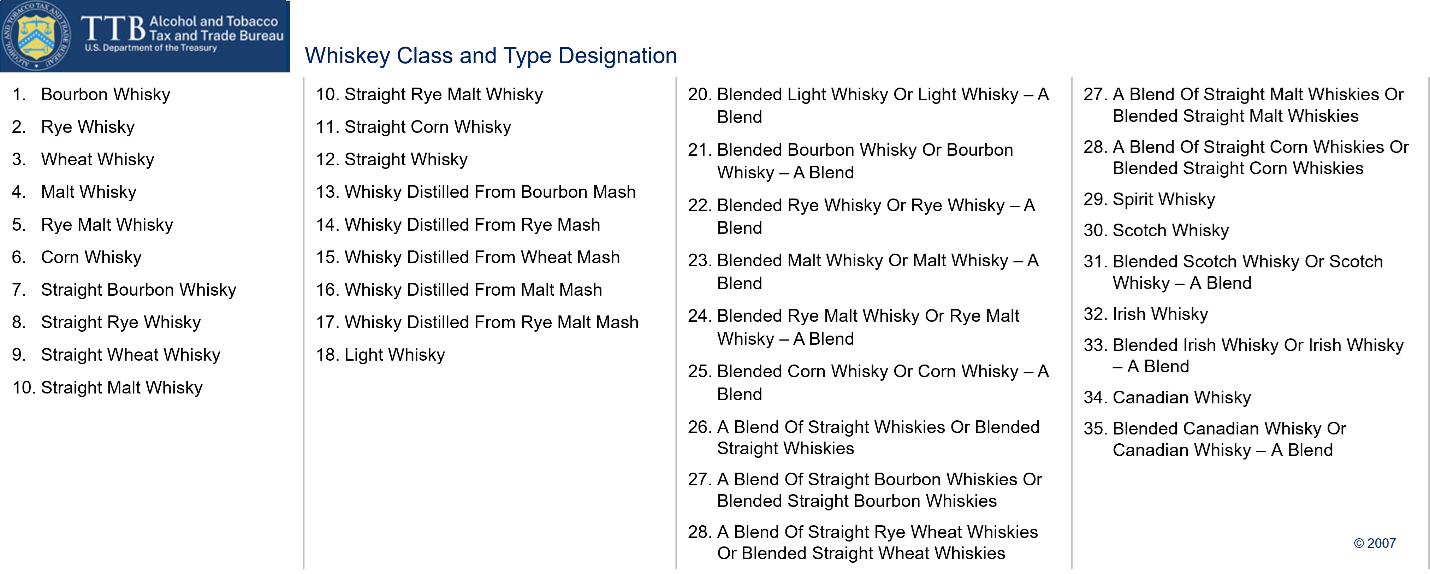
The U.S. Department of Treasury Alcohol and Tobacco Tax and Trade Bureau (TTB), has 35 separate class designations for whiskey. Globally, whiskey is also considered a distilled spirit staple with deeper ties to Europe and Asia. The global whiskey market was valued at $57.96 billion in 2022 yet is projected to grow to $89.6 billion by 2028.
Below, you’ll find some distinctions among the most well-known types of whiskies.
Irish Whiskey
Produced in Ireland
Made from a mash of malt
Can only be distilled using water and caramel coloring
Must be distilled in wooden casks or barrel for at least 3 years
Scotch Whisky (Scotch)
Distilled in Scotland, Canada, and Japan
Made from either malt or grain
Must age in oak cask or barrel for at least 3 years and 1 day
Separated into 5 categories: Single-malt, Salt grain, Blended malt, Blended grain, and Blended Scotch
Each bottle must state the youngest aged whisky to make the blend
Japanese Whiskey
Has the least number of requirements compared to other whisky types
Made from either malt or grain
Must age in oak cask or barrel for at least 3 years
Follows similar distillation process as Scotch but does not require the aging
statement on the label
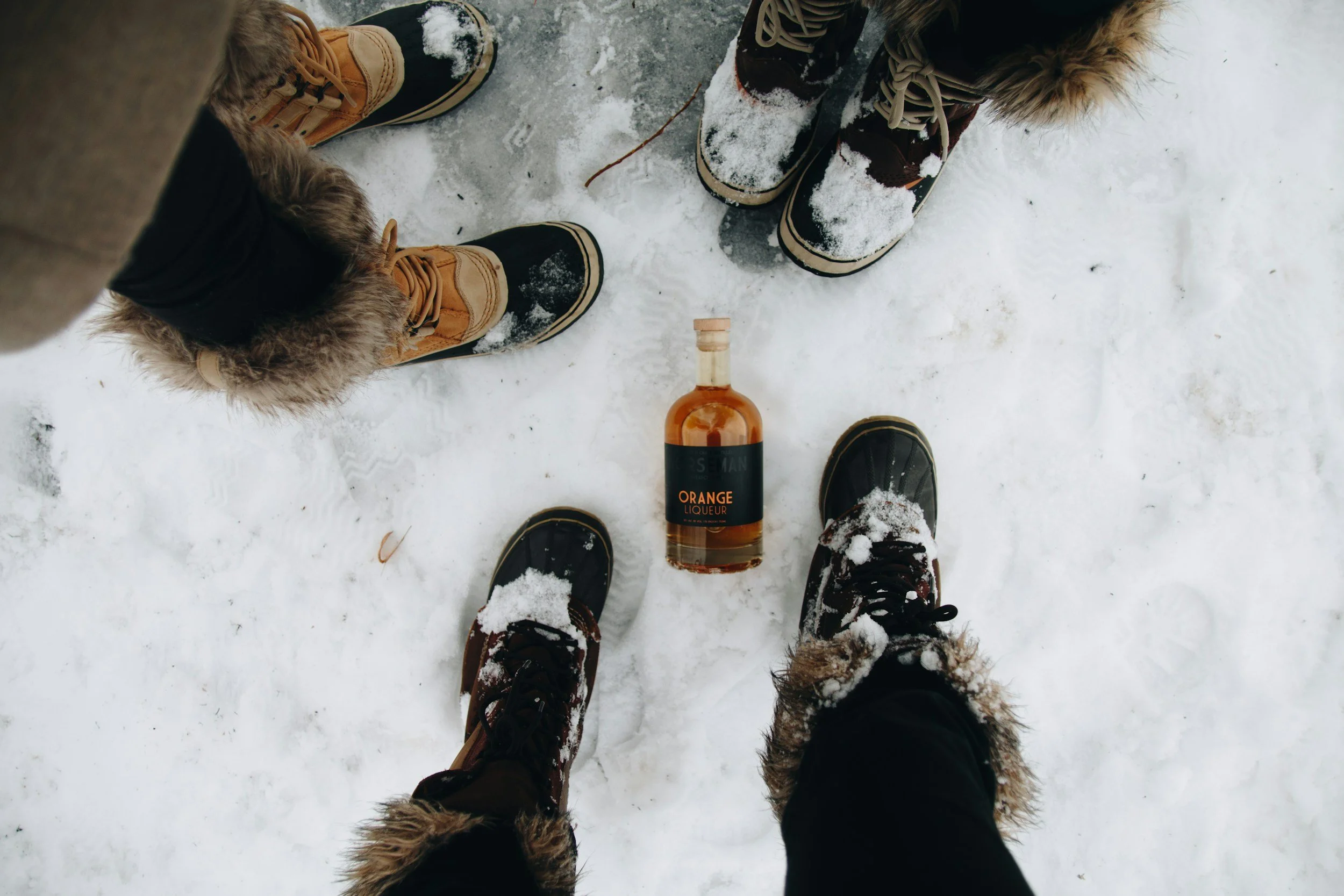
Canadian Whiskey
Produced in Canada
Aged for at least 3 years
Contains a high percentage of corn
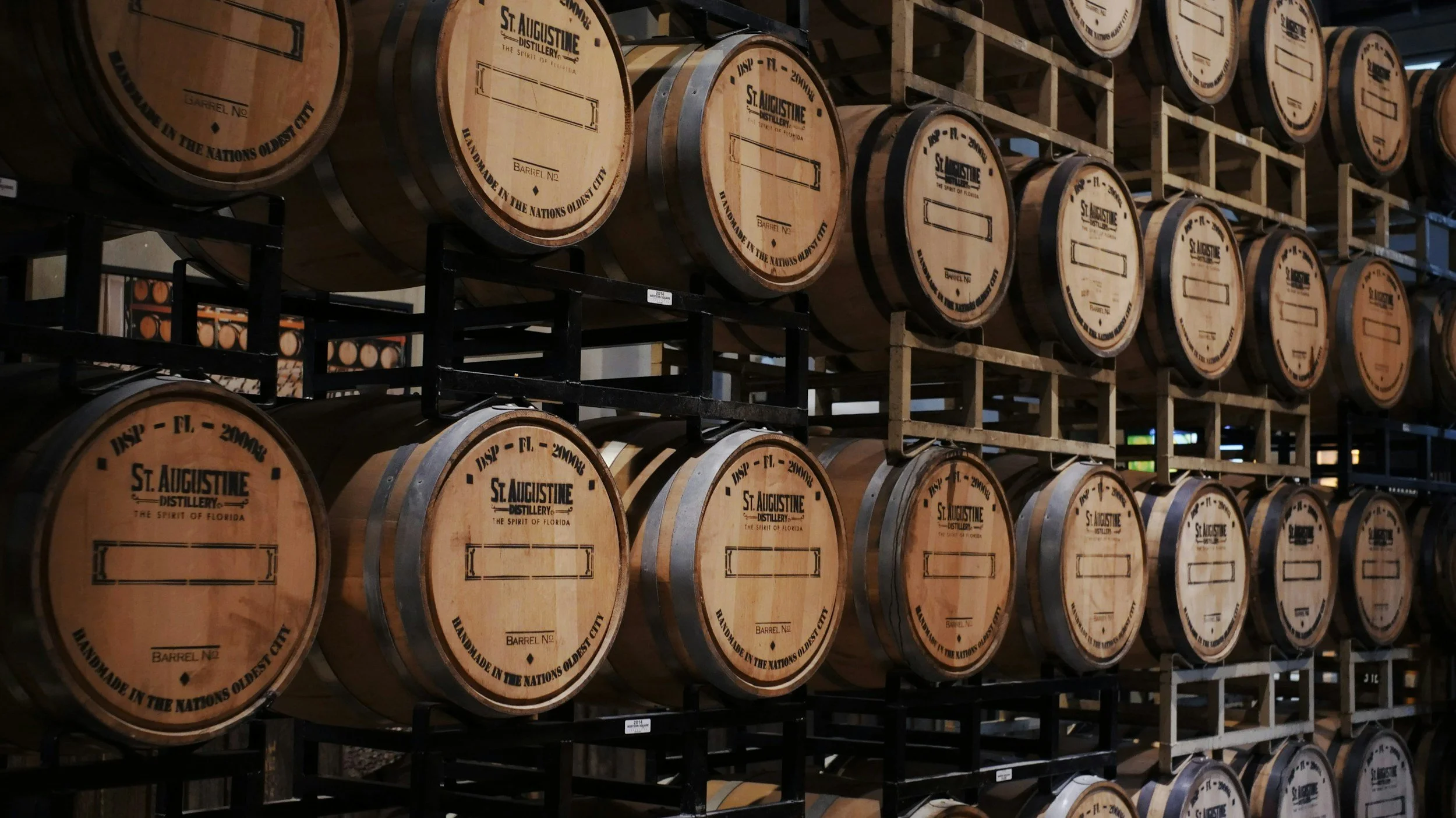
Bourbon Whiskey
Produced in the U.S.
Must be at least 51% corn
Must be aged in a new oak barrel
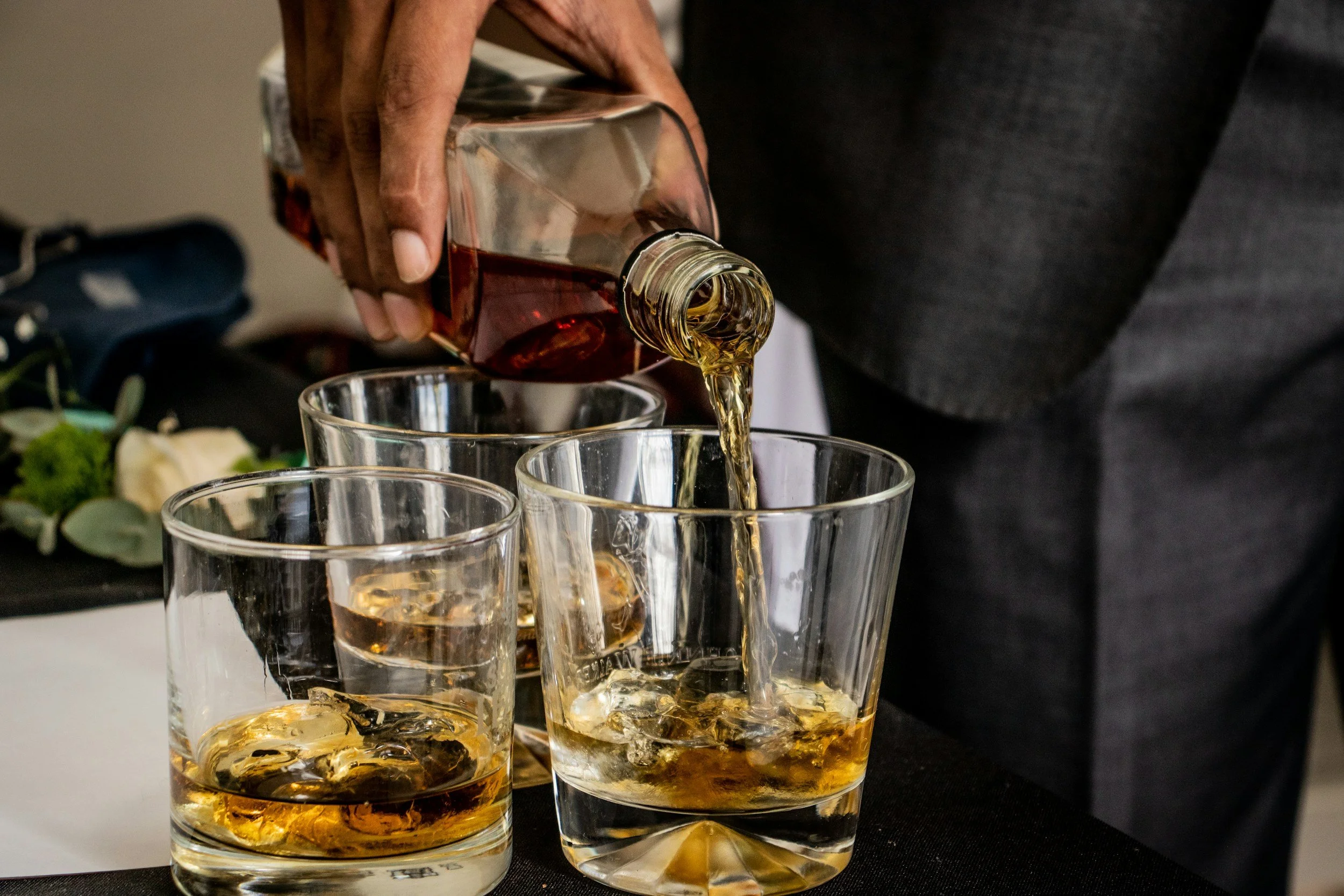
Rye Whiskey
Produced in America
Must be made with at least 51% rye, but can include corn and/or barley
Distillation process matches that of bourbon
Straight rye whiskey has been aged for 2 or more years and is not blended
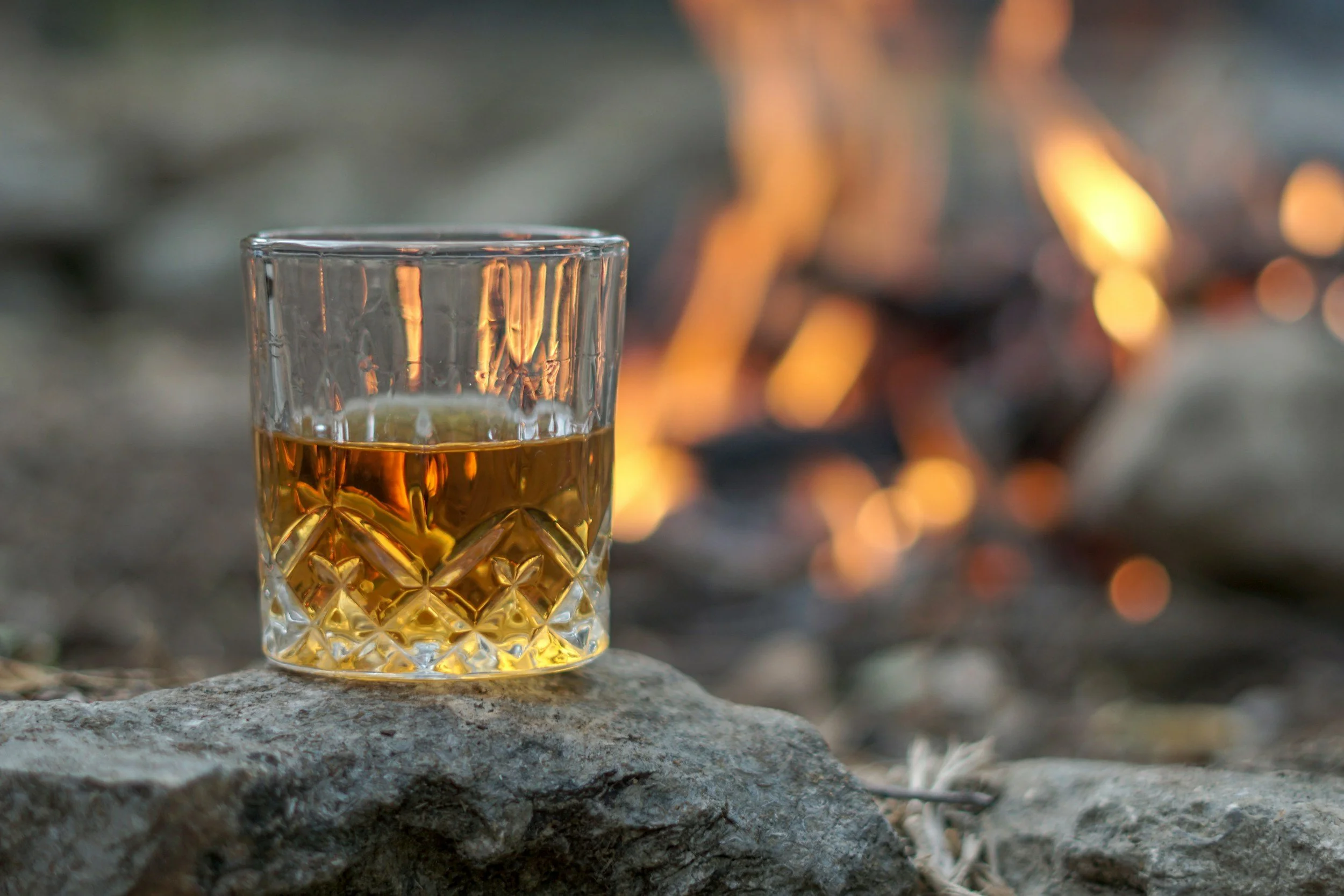
Single Malt Scotch (Whisky)
Made from one batch of scotch at a single distillery
Must be aged for 3 years in oak before being bottled
Globally, “single malt” typically means malted barley is the main ingredient
In the U.S., “single malt” can mean the inclusion of rye but not barley