

External Influences Affecting the Spirits Sector: Political
The United States' complex history with alcohol has led to the creation of numerous legislative and regulatory agencies that oversee the spirits industry. Each agency or organization is tasked with its own purpose, such as managing the market, regulating taxes, and ensuring consumer safety.
Organizations such as those listed below are the major agencies set in place to ensure a fair and just market for all within the spirits industry.
• U.S. Food and Drug Administration
• U.S. Department of Agriculture
• U.S. Department of Agriculture – Foreign Agricultural Service
• U.S. Department of the Treasury
• U.S. Customs and Border Protection
• National Conference of State Liquor Administration
• National Alcoholic Beverage Control Association
Although some organizations listed above are widely recognized, such as the U.S. Department of Agriculture whose mission is to oversee environmental aspects of consumable goods production, others have less apparent roles. For instance, The National Conference of State Liquor Administrators aims to promote effective state alcoholic beverage control laws and improve enforcement to keep these laws fair and up-to-date.
Some states and jurisdictions apply a “control” model where government agencies handle the wholesale distribution of spirits—and sometimes wine and beer. Thirteen also supervise retail sales for off-premises consumption, either by running their own stores or appointing agents.
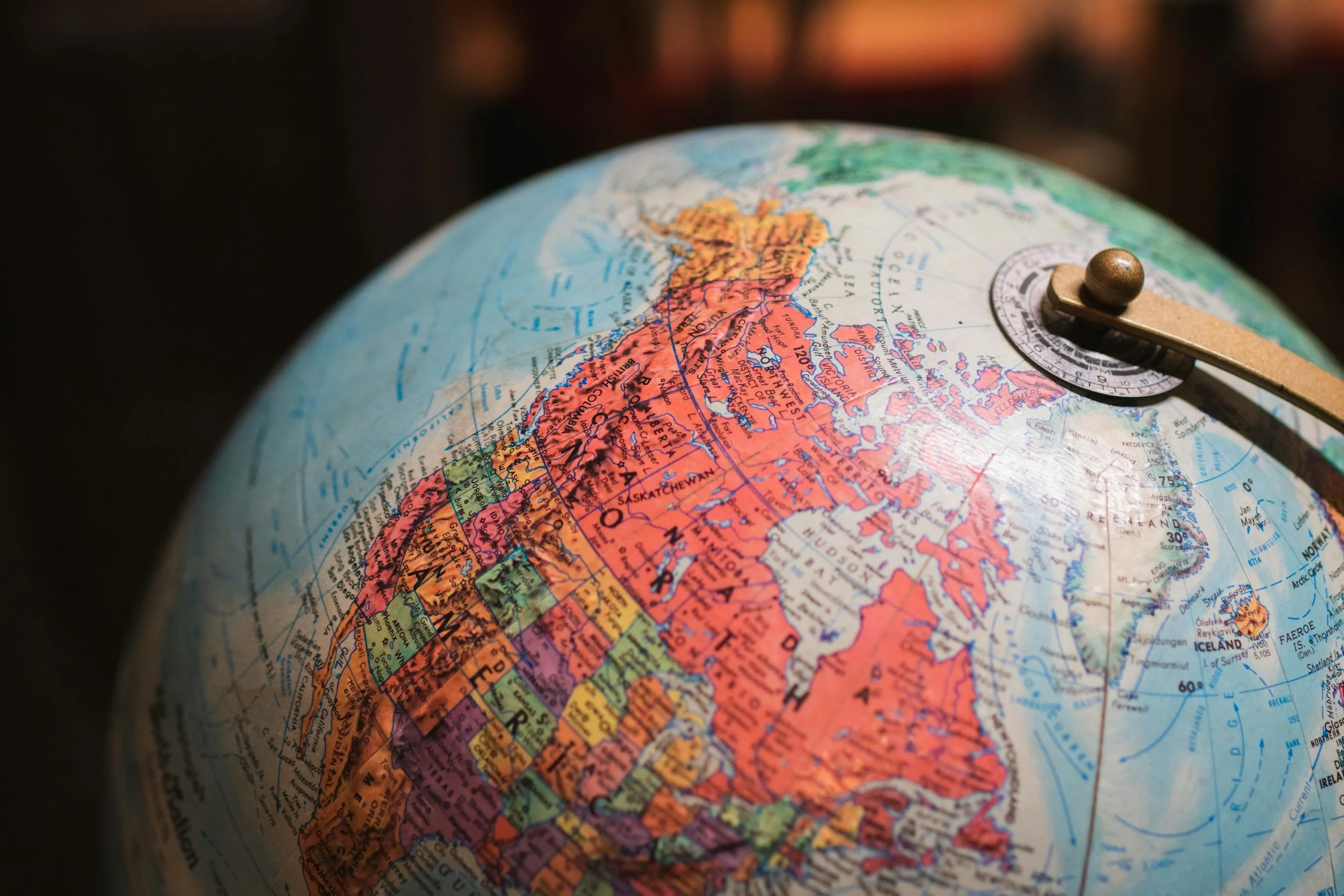
States with a “Control Model”
Alabama, Idaho, Iowa, Maine, Maryland, Michigan, Mississippi, Montana, New Hampshire, North Carolina, Ohio, Oregon, Pennsylvania, Utah, Vermont, Virginia, Washington DC, West Virginia
According to the National Alcohol Beverage Control Association (NABCA), the “control jurisdictions represent approximately 24.8% of the nation’s population and account for roughly 23% of distilled spirit sales and a significantly smaller percentage of beer and wine sales.”
Beyond government agencies, the spirits industry includes lobbying organizations that advise policymakers on market trends. While these groups often represent industry interests, some practices are aimed at consumer safety. The International Alliance for Responsible Drinking (IARD), a non-profit supported by major companies like Diageo and Bacardi, promotes responsible drinking and has influenced health warning labels and minimum age laws in the U.S. Other such organizations include the International Center for Alcohol Policies (ICAP), World Spirits Alliance (WSA), Spirits Europe, DISCUS, and the Foundation for Advancing Alcohol Responsibility. The Global Alcohol Producers Group (GAPG), which acts as a coalition of leading companies, is among the largest, and shares similar goals with IARD, which originated from ICAP and GAPG, highlighting the close ties between these groups.
Historically, the alcohol and tobacco industries collaborated closely in lobbying efforts, especially before the 1970s. As public health concerns reduced tobacco’s political influence, the alcohol industry shifted its focus to promoting responsible drinking and distancing itself from tobacco. Smaller alcohol producers continue to struggle for influence compared to large corporations, joining major lobbying groups as junior members with limited impact. Organizations like the American Craft Spirits Association (ACSA) were created to give these craft producers a stronger collective voice.
Want to learn more? Continue reading the External Influences Affecting the Spirits Industry